The Power of Parenting Together: Embracing the Unique Roles of Moms and Dads
Parenting is one of the most challenging and rewarding jobs a person can have. But let’s be real—there’s no “one-size-fits-all” approach. We’ve all heard the old saying, “It takes a village,” but what if we also say, “It takes two parents with different strengths to truly raise a balanced child”?
There’s a reason why parenting roles often differ between moms and dads. While every family dynamic is unique, research and real-world observations suggest that men and women sometimes bring different, yet complementary strengths to the table when it comes to raising children.
Let’s break it down: What are the differences in roles that dads and moms tend to take on? And more importantly, how can parents use these differences to their advantage to raise well-rounded, resilient kids—and improve their marriage along the way?
1. Moms: The Emotional Compass & Nurturers
Mothers, in many traditional and modern family dynamics, tend to be the emotional caretakers. This role often aligns with a heightened sense of empathy, emotional understanding, and communication. Studies show that women are generally more attuned to emotional cues—both their own and others’—which makes them more likely to be the ones offering emotional support in moments of stress.
Key Strengths of Moms in Parenting:
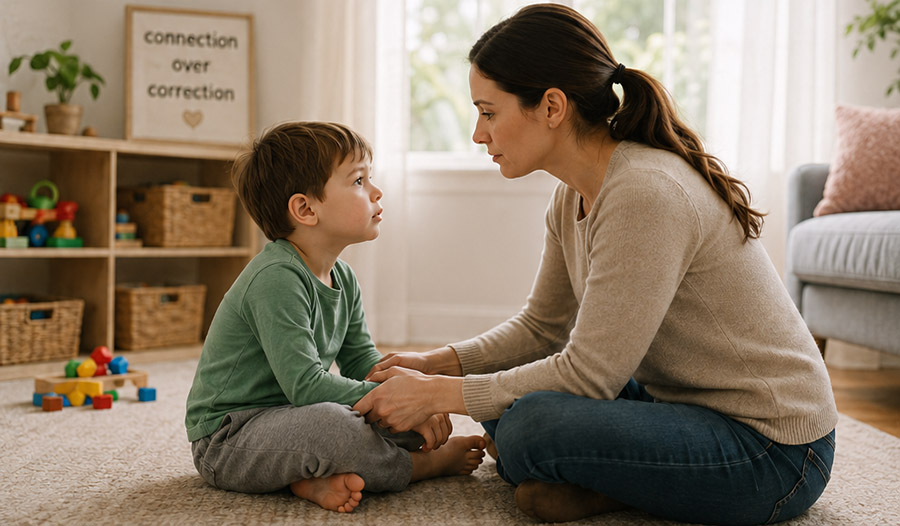
- Emotional Compassion & Regulation: Moms often provide the emotional security children need. From a young age, children seek out mom for comfort when they’re upset or scared. This is because moms are usually more patient and tuned into emotional needs. Research suggests that a mother’s responsiveness to her child’s emotional needs helps foster emotional regulation in their child.
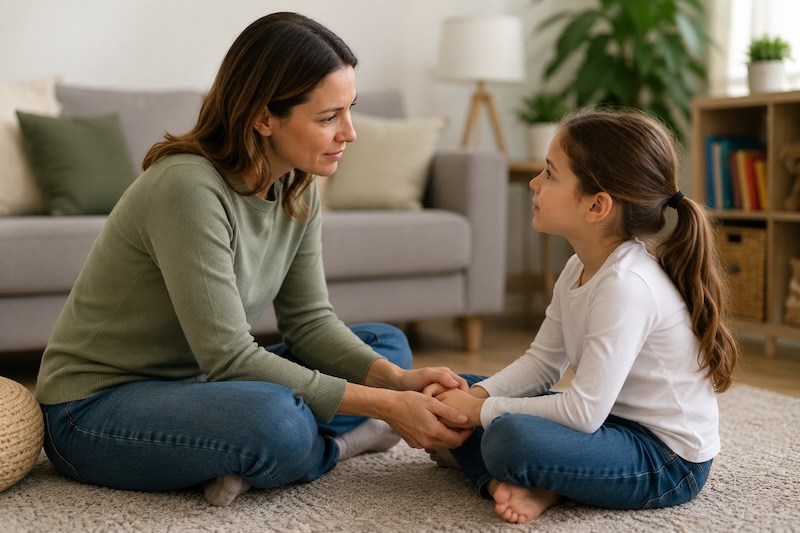
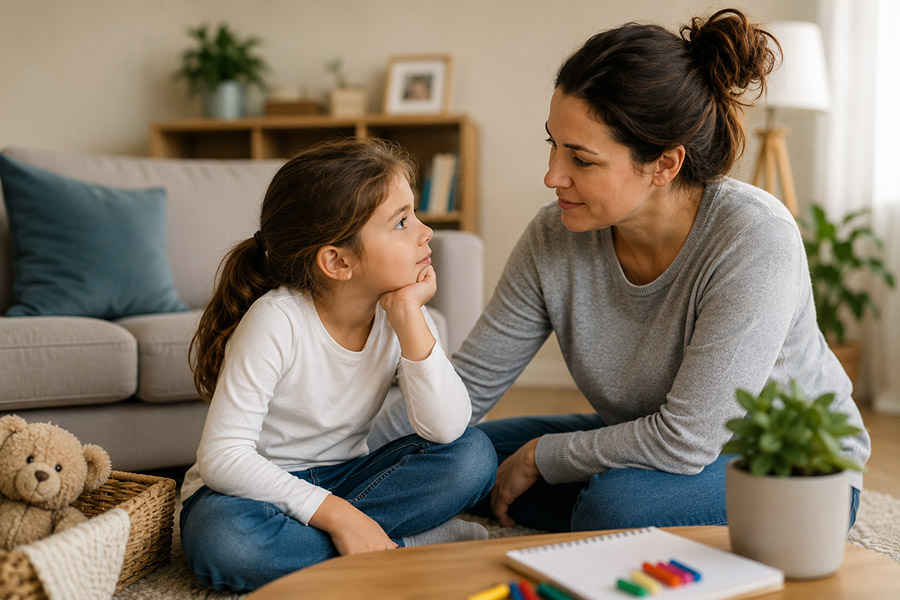
- Empathy & Connection: Women tend to excel at building emotional connections. Whether it’s comforting a child after a nightmare or actively listening when they feel upset, moms often play a role in teaching kids how to articulate their emotions, which is key for emotional intelligence.
- Providing Consistency & Stability: While dads bring their own stability, moms often are the go-to figures for consistent emotional support. This can help a child feel more secure in the world, knowing that they have a reliable emotional anchor.
Oxytocin: The Bonding Hormone
A key factor in a mother’s ability to bond with her child is the release of oxytocin, often referred to as the “love hormone.” This hormone plays a critical role in creating emotional bonds and building trust. For moms, oxytocin is released during nurturing activities such as breastfeeding, holding, cuddling, and providing comfort. These physical and emotional gestures help moms form deep, loving connections with their children, promoting emotional regulation and security.
How Moms Can Leverage This Strength:
- Foster Emotional Intelligence: Encourage your child to identify and express their emotions. You can do this by modeling empathy when you respond to their feelings and giving them the language to articulate how they feel.
Example: If your child is upset, validate their feelings by saying, “I can see you’re really frustrated right now, and that’s okay. Let’s talk about what’s going on.”
- Teach Emotional Regulation: Children learn how to regulate their emotions by watching you do it. The next time you’re feeling stressed or upset, try to model calm behavior by using mindfulness techniques like deep breathing, or simply stepping away for a moment to collect your thoughts.
2. Dads: Resilience, Adventure, and Boundaries
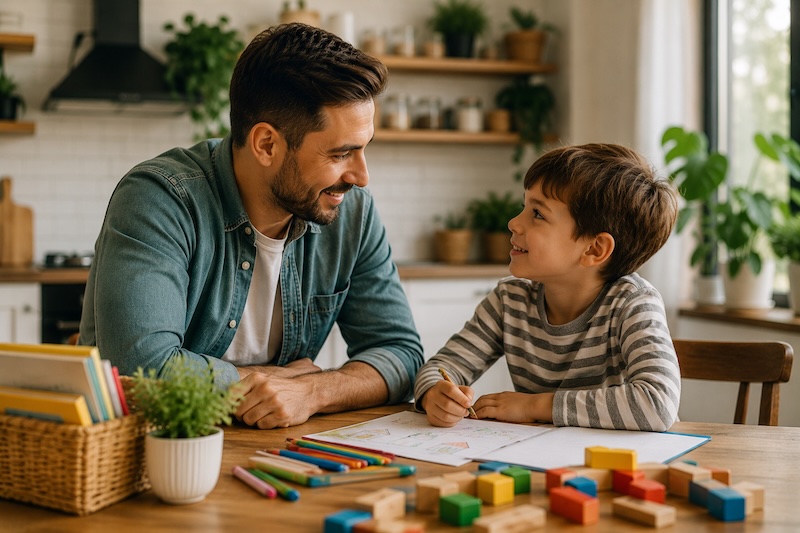
While moms may lead with emotional sensitivity, dads often shine when it comes to teaching resilience, setting boundaries, and encouraging independence. Dads tend to be the ones who help kids push through challenges, teach them to take risks, and help them learn that failure isn’t the end of the world—it’s an opportunity to grow.
Key Strengths of Dads in Parenting:
- Building Resilience: Dads often play a crucial role in encouraging their children to take risks and face challenges. This could mean allowing them to try something difficult on their own, like learning to ride a bike, or coaching them through a tough situation with a little tough love. Dads, in general, are often more likely to push their children to try things outside their comfort zones, fostering resilience.
- Modeling Independence: Fathers often encourage autonomy. Where moms might swoop in to help at the first sign of struggle, dads might be more inclined to let their children “figure it out,” which teaches self-reliance and problem-solving.
- Providing a Sense of Boundaries & Structure: Dads often bring a unique strength in establishing boundaries. They may be more willing to set limits on behavior, ensuring children understand the importance of respect and discipline. This can teach children about the importance of self-control and the consequences of their actions.
Oxytocin in Fathers: Bonding Through Play
Fathers also experience oxytocin release, but it happens in a slightly different way than mothers. While mothers often bond through nurturing behaviors, fathers tend to experience oxytocin surges during playful interaction with their children. Roughhousing, playing games, or engaging in physical activities like tossing a child in the air—these types of interactions help dads bond with their kids while also fostering resilience, physical coordination, and social skills. This playful bonding also supports a healthy father-child relationship, enriching emotional development.
How Dads Can Leverage This Strength:
- Encourage Risk-Taking in a Safe Way: Support your child as they try new things—even if it means they’ll fall or fail along the way. This helps them build resilience.
Example: If your child is afraid to try a new activity, like playing sports or joining a new social group, encourage them to go for it. Let them know it’s okay to fail, but important to get back up and try again.
- Teach Problem-Solving: Instead of immediately stepping in to help when your child faces a challenge, encourage them to think of ways to solve it on their own. Ask guiding questions, like “What do you think would happen if you tried…?” or “How do you think you could fix this problem?”
- Maintain Healthy Boundaries: Setting clear, consistent boundaries helps children feel secure. While moms often set emotional boundaries, dads can complement this by helping establish behavioral limits and consequences.
3. The Marriage Connection: How Embracing Each Other’s Parenting Strengths Strengthens Your Relationship
Here’s where things get even more powerful: when moms and dads embrace their different parenting strengths, not only does the child benefit, but the marriage becomes stronger, too. A healthy, balanced marriage is a key foundation for healthy child development, and the way parents support each other in their roles is critical.
Why It Matters for Your Marriage:
When parents accept and respect each other’s unique contributions, it fosters mutual appreciation and strengthens the partnership. Parenting is not a solo act—it’s a team effort. Working together to balance your differences not only helps create a harmonious home environment but also models cooperation and respect for your kids.
- Respecting Differences: Understanding that each parent brings something valuable to the relationship can help reduce tension. Instead of focusing on where you disagree, celebrate the ways you complement each other. This can lead to more effective teamwork in both parenting and marriage.
- Shared Goals: When both parents work together, they share common goals: raising a happy, healthy, emotionally well-adjusted child. Embracing each other’s strengths helps align your parenting strategies and ensures that you are both on the same page when it comes to the bigger picture.
- Reducing Conflict: Parenting can be stressful, and disagreements may arise. However, when both partners understand their different parenting styles and roles, they can address disagreements more constructively. This not only reduces conflict but sets a positive example for children about how to manage differences respectfully.
How Working Together Benefits Your Marriage:
- Improved Communication: When parents openly communicate about their roles and strengths, it fosters better communication overall. This creates a foundation of trust and understanding in the relationship.
- Balance in Responsibilities: Sharing the emotional and practical responsibilities of parenting prevents one parent from feeling overwhelmed. This leads to a more balanced, supportive relationship where both partners feel valued and appreciated.
- Modeling Healthy Relationships: Children learn from the way their parents interact with each other. When parents show respect for each other’s strengths and collaborate effectively, kids learn the importance of teamwork, cooperation, and emotional balance in relationships.
4. Why It Matters for Your Child’s Development
Children who experience a balanced approach to parenting, where both emotional support and resilience are nurtured, tend to grow up with a stronger sense of self. They understand that it’s okay to experience emotions, but also that they have the strength to face challenges head-on. The combination of empathy, resilience, and boundaries creates a safe, stable environment in which a child can thrive.
Moreover, when both parents are actively involved and united, it creates a sense of stability for the child. Research consistently shows that children who grow up in a home where both parents work together as a team tend to have better emotional regulation, more robust coping skills, and improved social outcomes.
When kids see their parents supporting each other, navigating challenges together, and respecting one another’s roles, they learn how to handle conflict and cooperation in their own relationships, setting them up for success in the future.
Final Thoughts:
Parenting is a team sport, and while moms and dads bring unique strengths to the table, it’s the combination of those strengths that helps children thrive. If you and your partner can find a balance between emotional nurturing and resilience-building, you’re not only giving your kids the best possible foundation, but you’re also strengthening your marriage.
Take a moment to reflect: How do you and your partner complement each other’s strengths in parenting? Are there areas where you can lean into each other more? If you have concerns regarding any of these areas, and need further support in this parenting journey, feel free to reach out. Together, we can create a generation of emotionally intelligent, resilient kids—and build stronger, healthier relationships along the way!